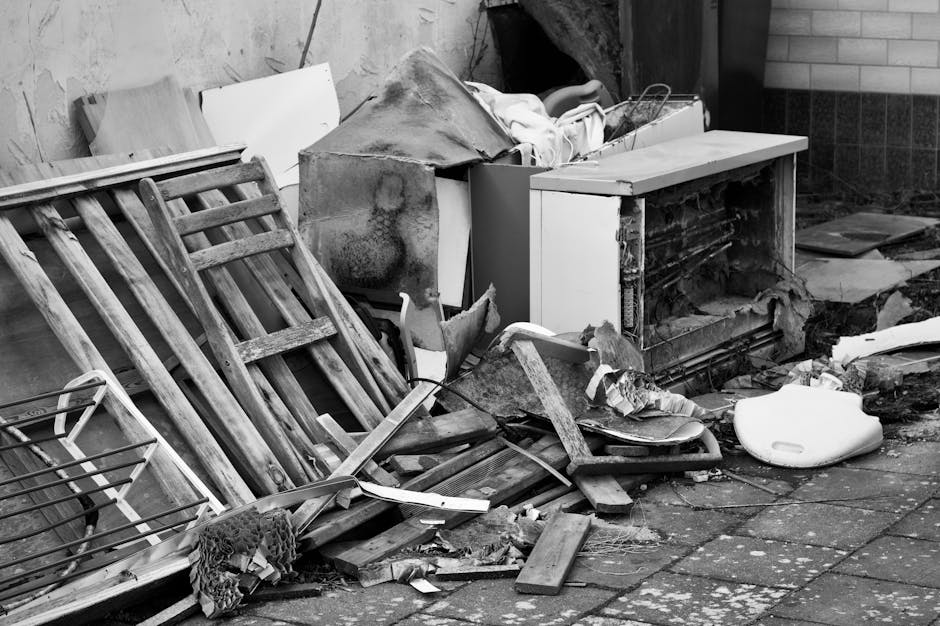
Thorley estate bulky rubbish pickup guide Bishops Stortford
If you live in Thorley estate and you have a sofa in the hallway, a broken wardrobe in the garden, or a pile of packaging and odd bits that have somehow multiplied overnight, this guide is for you. A Thorley estate bulky rubbish pickup guide Bishops Stortford should make the process simpler, not more confusing. In practice, bulky waste is one of those chores that feels tiny at first, then suddenly takes over the week.
Below, you'll find a clear, local-friendly guide to what counts as bulky rubbish, how collections usually work, what to prepare, and how to avoid the usual headaches. There's also a practical checklist, a comparison table, and a few realistic examples from everyday situations. No fluff. Just the stuff that helps.
Table of Contents
- Why Thorley estate bulky rubbish pickup guide Bishops Stortford Matters
- How Thorley estate bulky rubbish pickup guide Bishops Stortford Works
- Key Benefits and Practical Advantages
- Who This Is For and When It Makes Sense
- Step-by-Step Guidance
- Expert Tips for Better Results
- Common Mistakes to Avoid
- Tools, Resources and Recommendations
- Law, Compliance, Standards, or Best Practice
- Options, Methods, or Comparison Table
- Case Study or Real-World Example
- Practical Checklist
- Conclusion
- Frequently Asked Questions
Why Thorley estate bulky rubbish pickup guide Bishops Stortford Matters
Bulky rubbish is awkward by nature. It is too big for a normal bin, too inconvenient to leave lying around, and often too heavy to deal with alone. In a residential area like Thorley estate, the challenge is not just disposal. It is timing, access, lifting, sorting, and making sure the items go to the right place.
That matters for a few reasons. First, clutter in shared driveways, front paths, or communal areas can become a safety issue very quickly. A loose mattress in the rain, a cracked cabinet panel near the kerb, or a stack of broken furniture can make access messy and stressful. Second, the wrong disposal method can waste time and money. And truth be told, nobody wants to drag a sofa out twice because the first plan fell through.
There is also the wider environmental piece. Good bulky waste handling means more items are sorted, reused, or recycled where possible. If you are trying to clear a home, flat, garage, or loft in a sensible way, it is worth thinking beyond simple removal. The cleaner result is usually the better result.
Expert summary: A well-planned bulky rubbish pickup is not just about getting rid of things. It is about safe access, correct sorting, fair pricing, and choosing a disposal route that suits the job rather than forcing the job to suit the disposal route.
How Thorley estate bulky rubbish pickup guide Bishops Stortford Works
Most bulky rubbish pickup services follow a simple pattern: you describe what needs removing, the collection is planned around access and load size, and the waste is taken away in one go. The details can vary, of course, but the structure is usually the same.
In a typical residential pickup, the key questions are:
- What items need removing?
- How many people will be needed to lift them?
- Is there clear access from the property to the vehicle?
- Are any items hazardous, electrical, or specialist waste?
- Do you need full removal from inside the property or just kerbside collection?
That last one often trips people up. A kerbside collection is usually cheaper and quicker, but only if you can safely move the items outside in advance. Full-service bulky rubbish pickup is more suitable when the item is too heavy, too awkward, or simply too much to carry yourself.
If you are dealing with multiple room clearances at once, the job can overlap with broader services such as house clearance, home clearance, or even garage clearance. That is especially helpful when bulky items are only part of a larger clear-out.
Key Benefits and Practical Advantages
When a bulky rubbish pickup is handled properly, the advantages are immediate. The obvious one is space. You get your rooms, hallway, shed, or driveway back. But there are also a few less obvious wins.
- Less physical strain: no wrestling with awkward furniture or white goods you really should not move alone.
- Faster turnaround: one planned pickup is often much simpler than multiple trips to a recycling site or repeated car journeys.
- Better sorting: items can be separated for recycling, donation, or disposal where appropriate.
- Cleaner presentation: useful if you are preparing for a move, sale, tenancy handover, or renovation.
- Reduced risk: fewer injuries, scratches to walls, and frustrated muttering in the driveway at 7:30am.
For many people, the best part is the mental relief. A cluttered space can quietly drain your energy. Once the unwanted items go, the room feels different. Lighter, somehow. You notice the floor again, the light again, even the echo changes a bit. Small thing, but it matters.
If the rubbish includes worn-out furniture or a single bulky item like a mattress or sofa, specialist pages such as mattress and sofa disposal or furniture disposal can be useful next steps.
Who This Is For and When It Makes Sense
This guide is useful for homeowners, tenants, landlords, letting agents, property managers, builders, shop owners, and anyone else dealing with oversized waste in or around Thorley estate. The situations vary, but the need is the same: you want the items gone without turning the day into a whole saga.
It makes sense to arrange bulky rubbish pickup when you are:
- moving home and need old furniture gone before completion
- clearing out a spare room, loft, or garage
- replacing a sofa, bed, fridge, freezer, or wardrobe
- emptying a rental property after a tenancy
- dealing with post-renovation odds and ends
- clearing garden furniture, broken fencing, or outdoor clutter
For landlords and managing agents, speed and reliability are usually the biggest priorities. For families, it is often about getting the job done in a school run window or over a weekend. For older residents or people with limited mobility, the practical challenge is different again: safe lifting matters more than anything else.
And for businesses? If the load is not household waste but rather office equipment or stockroom clutter, a commercial route may be better. In that case, business waste removal or office clearance may fit the situation more neatly.
Step-by-Step Guidance
If you want the process to go smoothly, follow a simple sequence. The more prepared you are, the less fiddly the day becomes. Simple as that.
- List the items clearly. Write down what needs removing and, if possible, group items by type: furniture, electricals, garden waste, builders' waste, and general clutter.
- Check for restricted items. Some waste streams need separate handling. Fridges, freezers, and other appliances are different from a broken chair, for example. Hazardous materials need extra care.
- Measure access points. A sofa may be fine in the room but awkward around a tight stair turn or narrow hallway. If you know it will be a squeeze, say so early.
- Decide on collection style. Do you need full removal from inside the property, or can the items be placed at the kerb? Full removal is more hands-on and usually better for heavy loads.
- Prepare the path. Move smaller items out of the way, unlock gates, and make sure the route to the collection point is clear. No one wants to stumble over a planter and a child's scooter at the same time.
- Keep valuables and paperwork separate. This is particularly important in lofts, sheds, garages, and offices. Old boxes have a habit of hiding useful things.
- Book the right service. Choose the option that suits the waste type, not just the cheapest headline. A cheap quote can stop being cheap very quickly if the team arrives and the job is more complicated than described.
- Confirm the disposal route. Reputable providers should be clear about what happens to the waste, including recycling and safe handling where relevant. If you care about sustainability, ask early.
If you want a broader look at what can and cannot be loaded, the page on what can go in a skip is a useful companion read, even if you are not hiring a skip.
Expert Tips for Better Results
Here is where a little planning saves a lot of hassle. In our experience, the smoothest bulky rubbish pickups happen when the customer thinks like a planner for ten minutes before booking.
- Take quick photos. A few clear pictures of the items and access route can prevent misunderstandings.
- Separate reusable items. If something is still in decent condition, say so. It may affect how the load is treated.
- Disassemble what you safely can. Flat-pack furniture, bed frames, and shelving units are easier to move when broken down.
- Group similar waste together. That helps with loading and sorting on site.
- Be honest about weight and quantity. A single wardrobe is not the same as a van full of mixed clutter. Slight underestimation is common. A tiny one, but common.
- Plan around traffic and neighbours. Early mornings can be quieter, while school-run hours are often busier on residential streets.
One practical tip that people often miss: if you are replacing one large item, keep the old one in the room nearest the exit until collection day. That reduces the amount of carrying and helps avoid scuffs on painted walls or door frames.
And if you are dealing with furniture in particular, it can help to compare a single-item disposal option with a wider furniture-focused clearance such as furniture clearance. The right choice depends on whether you are removing one awkward item or half a room, really.
Common Mistakes to Avoid
Most problems with bulky rubbish pickups come from small assumptions. Usually nothing dramatic. Just a few missed details that make everything more awkward than it needed to be.
- Leaving access too tight: bins, bikes, cars, and plant pots in the way all slow things down.
- Mixing hazardous and general waste: items like chemicals, paints, or contaminated materials may need separate handling.
- Forgetting electrical items: fridges, freezers, and appliances are not the same as normal household rubbish.
- Not checking the item's condition: a broken frame with sharp edges or loose glass needs extra caution.
- Assuming one collection style fits all: kerbside is not always enough.
- Booking too late: if you are clearing before a move-out date, leave room for a plan B. Trust me, moving week is already busy.
Another common mistake is ignoring the paperwork side. If you are clearing a business unit, confidential files, old records, or staff documents need specific treatment. That is where confidential shredding can be relevant. Don't just toss file boxes into the nearest pile and hope for the best.
Tools, Resources and Recommendations
You do not need specialist gear to organise a bulky pickup, but a few simple tools make the job easier.
- Measuring tape: useful for checking whether a sofa, fridge, or wardrobe will fit through doorways and stair turns.
- Marker pen and labels: label items as keep, donate, recycle, or remove.
- Gloves and sturdy footwear: sensible for anyone moving items around before collection.
- Phone camera: quick photos help you remember what was agreed and what still needs sorting.
- Notes app or checklist: ideal for larger clearances with multiple rooms or mixed waste types.
For related disposal needs, the site's specialist pages can help you choose the right route. For example, fridge and appliance removal suits white goods, garden clearance is useful for outdoor clutter, and builders waste clearance is the better fit for rubble, timber, and renovation debris.
If you are still working out cost or scope, the page on pricing and quotes is a sensible place to start, and book online is handy once you already know what you need.
Law, Compliance, Standards, or Best Practice
Bulk rubbish removal is not just a logistics task. It also sits inside a framework of general UK waste-handling expectations. You do not need to become a legal expert to book a pickup, but it does help to understand the basics.
At a practical level, waste should be carried, sorted, and disposed of in a way that is safe and traceable where relevant. That matters most when waste is mixed, potentially contaminated, or includes items that may be regulated, such as electricals or hazardous materials. For householders, the key best practice is simple: tell the collector what you have, do not conceal risky items, and use a provider that handles waste responsibly.
Safety also matters. Heavy lifting, sharp edges, broken glass, and awkward furniture can all cause injury if rushed. Reputable operators should follow sensible on-site procedures, use suitable handling methods, and be insured appropriately. If that is something you care about, the pages on health and safety policy and insurance and safety give a clearer picture of the standards behind the service.
For environmentally aware customers, the question is not just "can it be taken away?" but "what happens next?" A good disposal route should separate recoverable material where possible and avoid unnecessary landfill use. That is where a sensible provider's recycling and sustainability approach becomes part of the decision, not an afterthought.
Options, Methods, or Comparison Table
There is more than one way to clear bulky rubbish in Thorley estate, and the best choice depends on the items, access, and your time. Here is a straightforward comparison.
| Method | Best for | Pros | Watch-outs |
|---|---|---|---|
| Kerbside bulky collection | Items already outside and easy to move | Simple, quick, often convenient | Not ideal for heavy or indoor-only items |
| Full-service bulky pickup | Large furniture, awkward items, tight access | No heavy lifting for you, less stress | Needs accurate item description and access details |
| Skip-style approach | Mixed renovation waste or ongoing clear-outs | Good for volume and flexible loading | Space, permits, and what can go in a skip all need checking |
| Specialist item removal | Appliances, sofas, mattresses, hazardous items | Better handling for specific waste types | May need separate booking or handling rules |
In short: if you have one or two awkward items, full-service pickup is usually easiest. If you are clearing a whole room, a mixed clearance plan can make more sense. If you are mid-renovation with plaster, timber, and packaging everywhere, you are probably looking at builders' waste rather than basic bulky rubbish.
Case Study or Real-World Example
A typical Thorley estate scenario goes like this. A couple are finishing a loft tidy-up before guests arrive for the weekend. There is an old chest of drawers, a broken office chair, two boxes of random cables, and a mattress that has been leaning against the wall for months. Nothing massive on its own. Together, though, it is a clutter magnet.
They start by grouping the items in one place and checking access to the front of the property. The wardrobe is too large to move safely down the stairs in one piece, so it is partially dismantled. The mattress stays folded flat near the entrance. A few old papers are separated for shredding, and a small pile of appliance bits is identified as a separate item type. The result is tidy, safe, and quick to clear on collection day.
What made the difference? Preparation. Not perfection. Just enough thought to avoid surprises. That is usually the pattern with bulky pickups. You do not need a military operation. You just need a bit of order and a service that matches the actual job.
In more complex cases, the same principle applies. A garage packed with mixed clutter may need a broader route such as loft clearance, flat clearance, or waste removal depending on what is inside and how much of it there is.
Practical Checklist
Use this checklist before collection day. It keeps things calm. And calm is underrated when you are clearing bulky rubbish.
- Identify every item that needs removing.
- Separate furniture, appliances, garden waste, and hazardous materials.
- Measure any tight doorways, stairs, or access points.
- Take photos of the items if the load is mixed or unusually large.
- Clear the route from the item location to the exit point.
- Move valuables, paperwork, and keep-sakes out of the way.
- Check whether the items need full removal or kerbside placement.
- Confirm collection timing and parking/access arrangements.
- Ask about recycling, reuse, or special handling where relevant.
- Keep the service provider updated if the job changes.
If you are unsure which service matches your load, browsing the relevant pages first can save time later. A single sofa, for example, is not the same as a mixed house clear-out. Obvious, yes, but easy to blur when you are standing in a room full of stuff.
Get a free quote today and see how much you can save.
Conclusion
A Thorley estate bulky rubbish pickup guide Bishops Stortford should make one thing clear: the best clear-outs are the ones that feel simple because someone planned them properly. You do not need to overthink every item, but you do need a sensible approach to access, waste type, lifting, and disposal route.
If you prepare the load, choose the right service, and avoid the usual mistakes, the whole job becomes far less stressful. That is the real win. More space, less hassle, fewer surprises. And if you are clearing a home, a garage, or just one very stubborn sofa, that relief is worth quite a lot.
When the clutter finally leaves, the room feels different. A bit lighter. A bit easier to breathe in. That's the nice part, really.
Frequently Asked Questions
What counts as bulky rubbish in Thorley estate?
Bulky rubbish usually means items too large or awkward for normal household bins, such as sofas, mattresses, wardrobes, tables, appliances, and similar oversized household waste.
Can I leave bulky waste at the kerb for collection?
Sometimes, yes, but it depends on the service you choose and whether the items can be safely moved outside in advance. If lifting is difficult or access is tight, a full-service pickup is usually better.
Do I need to dismantle furniture before pickup?
Not always. Small disassembly can help, especially for bed frames, shelving, and flat-pack furniture. But if dismantling creates extra risk or stress, it may be better to leave the item intact and mention it when booking.
What should I do with old appliances like fridges or freezers?
Appliances are usually handled separately from general bulky waste because they need specialist treatment. It is best to flag them clearly when arranging collection.
Can a bulky rubbish pickup take mixed items?
Yes, mixed loads are common. A single collection may include furniture, general clutter, and some household items. Just be clear about what is included so the right vehicle and crew can be arranged.
How far in advance should I book a pickup?
As soon as you know the size of the job. If you are working to a move-out date, renovation schedule, or tenancy deadline, booking early helps avoid last-minute stress.
Is bulky rubbish pickup better than hiring a skip?
It depends on the job. Pickup is often better for heavy furniture or one-off clearances. A skip may suit ongoing renovation waste or larger mixed loads. The comparison table above should help narrow it down.
What happens to the waste after collection?
That varies by item type, but responsible providers should separate waste where possible and send recoverable material for recycling or appropriate processing.
Can I include broken glass or sharp waste?
Only if it is safely packaged and the provider has confirmed it is acceptable. Sharp waste needs extra caution, and hazardous items should never be mixed in without checking first.
What if I have confidential papers with the rubbish?
Separate them before collection and arrange confidential handling where needed. For business or sensitive paperwork, a specialist shredding route is the safer option.
Will bulky rubbish pickup help with a house clearance?
Yes, but only if the load is relatively limited. If you are clearing several rooms, lofts, or garages, a wider clearance service is usually more efficient than treating everything as a single bulky item job.
How do I get the most accurate quote?
Give a full list of items, note access issues, and share photos if possible. The clearer the description, the more accurate the quote tends to be. That bit saves everyone time.
Where can I learn more about the company behind the service?
You can read more on the about us page, review the terms and conditions, or check the contact us page if you want to ask a question before booking.