Avoid hidden rubbish removal fees in Bishops Stortford
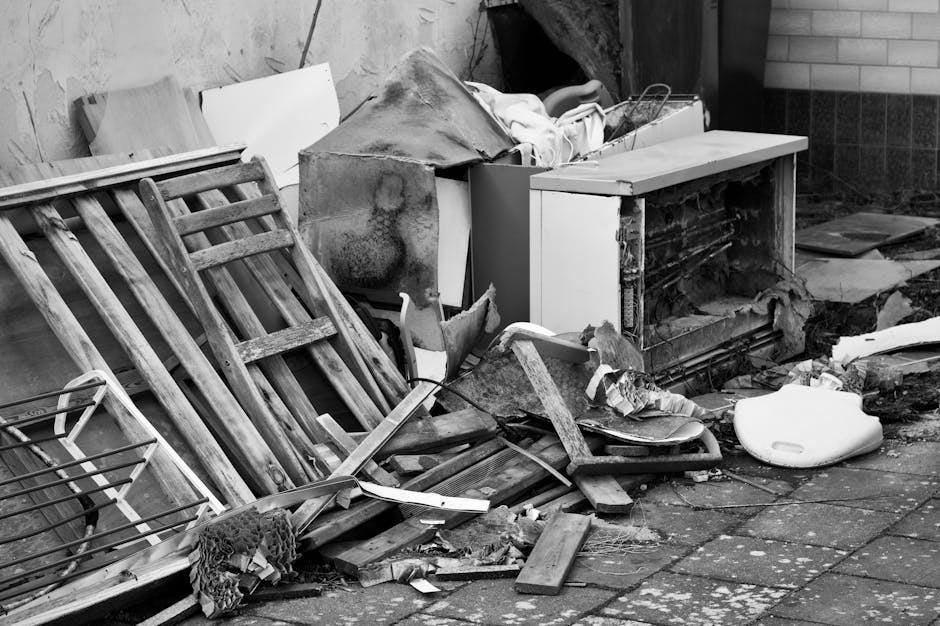
If you have ever booked waste collection and then watched the final bill creep up with extra charges, you will know how frustrating it feels. The quote looked neat at first, then suddenly there was a surcharge for access, labour, extra bags, mixed materials, or a "minimum load" you were never quite told about. This guide shows you how to avoid hidden rubbish removal fees in Bishops Stortford, what to ask before you book, and how to compare prices without getting caught out.
Truth be told, rubbish removal should be straightforward. You want the waste gone, the space cleared, and a price that matches what you were told. That is not too much to ask. In the sections below, you will learn how pricing usually works, which warning signs matter, and the small checks that can save you money and a headache.
Why Avoid hidden rubbish removal fees in Bishops Stortford Matters
Hidden fees are not just annoying; they can change the whole value of a clearance job. A cheap-looking quote can become expensive once the van turns up and the team starts reclassifying your load. In a busy town like Bishops Stortford, where homes, flats, offices, builders' jobs and garden clearances all create different kinds of waste, pricing should be clear enough that you can make a confident decision.
Why does this matter so much? Because rubbish removal is often booked at a stressful moment. You may be moving, renovating, clearing an estate, or trying to get a room back in order before guests arrive. Under pressure, people are more likely to say yes quickly. That is exactly when vague pricing becomes costly. One minute you are sorting old furniture out of a garage; the next you are hearing about an "extra-man fee" that was never on the original quote. Not ideal.
Clear pricing matters for commercial clients too. Businesses often need fast turnarounds and tidy paperwork. If fees are hidden, it is harder to budget and harder to compare suppliers fairly. For that reason, many people start by looking at a provider's pricing and quotes information before they even ask for a collection date.
Expert summary: the safest approach is simple: get a written breakdown, confirm what is included, describe the waste honestly, and ask what could increase the final price before the team arrives. That one habit alone removes a lot of surprises.
How Avoid hidden rubbish removal fees in Bishops Stortford Works
To avoid hidden rubbish removal fees in Bishops Stortford, you need to understand the main parts of a quote. Most pricing is built around a few common factors: volume, weight, labour, access, waste type, and disposal route. Some companies bundle all of that into one clear price. Others split it out, sometimes in ways that are not obvious at first glance.
What usually affects the final price
- Volume: how much space your rubbish takes in the vehicle.
- Weight: especially relevant for dense materials like rubble, soil, or mixed builder's waste.
- Labour: whether the team carries items from upstairs, from a garden, or from a difficult location.
- Access: narrow stairwells, no parking nearby, long carries, or restricted access can all matter.
- Waste type: general rubbish is different from mattresses, appliances, electronics, or hazardous waste.
- Sorting requirements: mixed loads may need extra separation or disposal handling.
The best providers explain these points plainly, rather than hiding them in small print. If you are comparing services, it helps to look at the broader service page too, such as waste removal services, because the scope of work often affects the cost structure.
Another thing to watch is how the company quotes. Some offer an estimate based on photos, then confirm the price on arrival. That can be fair, provided they tell you the conditions clearly. Others give a fixed price for a defined load, which is usually easier to understand. Neither approach is automatically better. The real issue is clarity.
Here is the bit people sometimes miss: a quote can be "honest" and still be incomplete if it does not state what happens when the job changes. If you have a loft full of mixed waste, for example, the team may need to handle heavier items than expected. That does not make them sneaky. But it does mean you should know the rules before anyone lifts a thing.
Key Benefits and Practical Advantages
When the pricing is clear from the start, the whole job becomes calmer. You know what you are paying for, what is included, and what is not. That sounds basic, but it is a genuine advantage when you are dealing with bulky waste or time-sensitive clearances.
Benefits of transparent pricing
- Better budgeting: you can plan the cost rather than react to it.
- Fewer disputes: clear terms reduce awkward conversations on collection day.
- Faster decisions: you can compare providers on a like-for-like basis.
- Less stress: no one likes that sinking feeling when the invoice arrives.
- Better service fit: you can choose the right level of help for your property and waste type.
There is also a practical side that is easy to overlook. Transparent pricing tends to go hand in hand with better operations. A company that explains its costs properly often explains its process properly too: what it can take, how it handles access, how payment works, and what happens if something unusual is found during the clearance.
If you are dealing with furniture, appliances or a mixed household clear-out, it can help to check individual services like furniture disposal or fridge and appliance removal so you understand whether those items are priced separately.
Key takeaway: the cheapest quote is not always the best quote. The best quote is the one that tells you exactly what you are getting, in plain English, before the van arrives.
Who This Is For and When It Makes Sense
This guidance is for anyone who wants to clear waste without being stung by add-ons. That includes homeowners, landlords, tenants, letting agents, builders, shop managers, office managers, and anyone tackling a one-off clearance after a move or renovation.
You will benefit most if:
- you need a clear budget before booking;
- your waste includes mixed items rather than a single material type;
- you are comparing rubbish removal against skip hire or self-load options;
- you have access challenges, such as stairs, tight driveways or a basement;
- you have bulky items like wardrobes, mattresses, sofas or appliances;
- you are booking on behalf of a business and need invoice clarity.
It also makes sense if you are clearing specific spaces. A loft clearance, for instance, can look simple on paper but turn messy in practice once old boxes, insulation offcuts, broken furniture and odd bits of metal appear. The same goes for a garage, garden, or office. If the job sounds small but feels awkward, that is usually where hidden charges hide.
For more targeted jobs, it is worth checking dedicated pages such as loft clearance, garden clearance, or office clearance to see how the service is framed.
Step-by-Step Guidance
If you want the short version, here it is: describe the waste properly, ask for written inclusions, check the exclusions, and confirm the final price triggers before booking. Easy to say, yes. But doing it well saves money.
1. Make a simple inventory
Walk through the space and list the major items. Do not worry about perfection. Just identify the bulky things, the heavy things, and anything unusual. A few photos help too, especially if the provider offers pricing from images.
2. Separate normal waste from special items
General household rubbish, furniture, appliances, builders' waste, and hazardous materials are often treated differently. If you mix them all together in your head, the quote may be less accurate. It is worth noting that hazardous items need careful handling. If you suspect anything risky, look at hazardous waste disposal before you book.
3. Ask for the full breakdown
Before you agree, ask what the quote includes. Ask directly about labour, loading, vehicle access, congestion-style delays, mattress charges, appliance charges, and disposal fees. A good company will not mind. In fact, they should expect it.
4. Confirm how changes are handled
This is where many surprise fees start. What happens if the job is bigger than expected? What if you add a sofa at the last minute? What if access is harder than described? You need to know whether the price is fixed, adjusted, or re-quoted on site.
5. Check payment terms before collection
Some providers are upfront about card payments, invoicing, deposit terms, or what happens if the job is cancelled. It sounds boring, but boring details are often the expensive ones if ignored. A quick look at payment and security can help you understand the company's approach.
6. Book only when the scope is clear
If you are still unsure, do not rush. If the provider cannot explain the quote simply, that is a warning sign. Not always a deal-breaker, but it deserves a pause.
Expert Tips for Better Results
Here are the habits that tend to make the biggest difference. Nothing flashy. Just practical stuff that stops your quote drifting.
- Send photos in daylight: poor images lead to poor estimates. A quick photo near a window is often enough.
- Measure awkward items: wardrobes, desks, mattresses and builders' materials can surprise people once they hit the van.
- Say whether items are upstairs: that tiny detail can matter more than people think.
- Ask what is counted as "one load": companies do not all define it the same way.
- Check whether recycling is included: responsible handling can be part of the value, not just the price.
- Keep a written trail: a text message or email summary is useful if there is any disagreement later.
One small but effective habit: repeat the final understanding back in your own words. Something like, "So this price covers collection, loading, disposal, and the mattress, but not any extra items added later." It feels a bit awkward in the moment, perhaps, but it works. And awkward is cheaper than surprise billing.
If you are organising a larger clear-out, it may also be worth reviewing home clearance or house clearance options, because a broader service can sometimes be easier to price than a piecemeal approach.
Common Mistakes to Avoid
Most hidden-fee problems are not dramatic. They start with small assumptions. A little vague here, a little rushed there, and suddenly the final cost feels off.
Common errors people make
- Accepting a verbal quote only. If it is not written down, it is harder to rely on.
- Describing the waste too broadly. "A bit of rubbish" does not help anyone price a job accurately.
- Ignoring access issues. A front garden that looks easy from the road may be a nightmare once bins, steps or parked cars are involved.
- Forgetting about special items. Sofas, mattresses, fridges and certain office waste can be treated separately.
- Assuming all providers work the same way. They do not. Some bundle more into the price than others.
- Booking without reading the terms. Nobody loves terms and conditions, but this is where charge triggers often live.
Another mistake is choosing on price alone. That can work, but only if the scope is truly identical. If one provider includes labour, sorting and disposal while another adds them later, the headline number is not really comparable. Bit of a trap, that.
If you are dealing with clearances involving furniture, you may want to look at furniture clearance as well, especially if several bulky pieces need removal together.
Tools, Resources and Recommendations
You do not need fancy tools to avoid hidden charges. A phone, a notebook, and a few sensible questions are usually enough. That said, a little structure helps.
Useful things to prepare
- a short list of all major items;
- photos of each room or storage area;
- approximate dimensions for bulky waste;
- notes on access, parking and stairs;
- any special handling concerns, such as fragile, wet, oily, sharp, or potentially hazardous material;
- your preferred collection timing and any restrictions on site.
It can also help to know which service best matches the waste type. Builders' debris is not the same as old office furniture. A garden pile is not the same as a loft full of mixed household bits. If you want to understand the boundaries around construction waste, have a look at builders' waste clearance. For business premises, business waste removal is the more relevant fit.
And for those who want to keep disposal responsible as well as affordable, the site's recycling and sustainability information is worth a read. A sensible price is good. A sensible price and a decent disposal route is better.
Law, Compliance, Standards, or Best Practice
Rubbish removal is not just a pricing issue. There are also legal and best-practice considerations, especially when waste is being transported, sorted or handled on your behalf. You do not need to become a compliance expert, but a few basics matter.
In the UK, waste should be handled responsibly, and businesses are generally expected to use proper disposal routes, keep clear records where needed, and avoid allowing waste to go to the wrong place. For households, the main point is still similar: use a provider that explains what it will do with the waste and how it manages safety. If something sounds vague or too casual, pause and ask more questions.
For materials that could cause harm, such as chemicals, sharp objects, broken glass, or certain appliances, you should be extra careful. A fridge, for example, is not just "another bulky item". It may need different treatment from standard furniture, which is why a dedicated appliance removal page can be useful when planning the job.
Best practice also includes:
- clear pricing before collection;
- plain-English terms;
- safe loading and transport;
- honest classification of waste;
- no pressure to agree to extras on the driveway.
If you are booking for a workplace, it is sensible to ask about the provider's approach to health and safety and insurance and safety. That is not overcautious. It is just good sense.
Options, Methods, or Comparison Table
When people want to avoid hidden rubbish removal fees, they often compare three routes: a fully quoted collection service, a per-load or load-based service, and skip hire. Each has its place. The right option depends on access, waste type, and how much help you want.
| Option | Best for | Pros | Watch-outs |
|---|---|---|---|
| Fixed-price rubbish removal | Clear, well-described loads | Simple, predictable, less admin | May change if access or waste type differs from the description |
| Load-based collection | Mixed waste and flexible jobs | Can suit odd-shaped clearances | Needs very clear definitions of what counts as a load |
| Skip hire | Longer projects with repeated waste over time | Useful for ongoing work, especially renovation jobs | Watch permit, filling rules, and item restrictions |
If you are comparing against a skip, it helps to know exactly what can and cannot go in one. The page on what can go in a skip is handy for that. In some cases, a skip makes sense. In others, a direct collection is cleaner and less hassle. To be fair, nobody wants a skip sitting outside for a week if one van visit will do the job.
Case Study or Real-World Example
Picture a typical Bishops Stortford weekend clearance. A homeowner is clearing a spare room and garage before a move. There are two wardrobes, some broken shelving, an old mattress, a few boxes of general waste, and a rusty metal frame that has been sitting there for months. The first quote they receive is low, almost suspiciously low. Lovely headline number. But it does not mention stairs, mattress handling, or mixed waste.
They ask a few more questions. It turns out the low price assumes ground-floor access, no heavy lifting, and only one waste type. Once those details are added, the quote changes. Not wildly, but enough to matter. Because they asked early, the change is explained before anyone turns up. No argument. No awkward silence on the pavement. Just a clearer understanding of what the job really involves.
A second provider quotes slightly more at the start, but the breakdown includes labour, mixed household waste, and mattress collection. The homeowner picks that option because it is easier to budget for and feels more honest. That is the real lesson. The "cheaper" offer was cheaper only on paper.
We see this pattern often with things like flat clearance and garage clearance, where the space itself can hide the true amount of work. Once the items are lined up, the price conversation becomes much simpler.
Practical Checklist
Use this checklist before you confirm a booking. It is simple, but it catches a lot.
- Have I described the waste clearly and honestly?
- Have I sent photos if the provider asked for them?
- Do I know whether the price is fixed or adjustable?
- Do I understand what is included in the quote?
- Have I checked for extra charges on mattresses, appliances, or special items?
- Have I mentioned access issues, stairs, parking or long carry distances?
- Do I know how payment works?
- Have I asked what happens if the load is bigger than expected?
- Have I read any relevant terms before agreeing?
- Do I feel comfortable that the quote makes sense?
If you can tick those off, you are in a strong position. If not, pause and ask again. Better a two-minute delay than a surprise invoice later.
Conclusion
Avoiding hidden rubbish removal fees in Bishops Stortford is mostly about clarity, not guesswork. The best results come from straightforward communication, honest descriptions, written breakdowns, and a provider that explains where the price comes from. When that happens, the whole process feels easier. Less stress. Less faffing. More confidence.
Whether you are clearing a house, a flat, a garden, a loft, or an office, the same rule applies: ask the awkward questions before the job starts. That is where the savings are. And, usually, where the peace of mind is too.
Get a free quote today and see how much you can save.
For a deeper look at who is behind the service and how the team works, you may also want to read the about us page. Sometimes knowing who you are dealing with makes the decision feel much easier. Simple, really.
Frequently Asked Questions
What are hidden rubbish removal fees?
Hidden fees are extra charges that are not made clear at the start, such as added labour, difficult access charges, special item fees, or disposal surcharges. The best way to avoid them is to get a written breakdown before booking.
How do I compare rubbish removal quotes properly?
Compare like for like. Check what each quote includes, whether labour is covered, whether disposal is included, and whether any items are priced separately. A lower quote is not helpful if it excludes half the job.
Should I send photos before getting a price?
Yes, if possible. Photos give the provider a better idea of volume, item type, and access. A clear image in daylight can make a quote much more accurate.
Can access problems increase the price?
Yes. Narrow stairs, no parking, long carries, or awkward loading points can all affect labour and time. It is better to mention these early than deal with them later.
Are mattresses and sofas usually charged separately?
Often, yes. Sofas and mattresses can require separate handling and disposal arrangements. It is wise to confirm this before the collection date.
What if I add more waste on the day?
Ask the provider in advance how changes are handled. Some can adjust the quote, while others need a re-assessment. The important thing is to know the rule before the team arrives.
Is a fixed-price rubbish removal service always better?
Not always, but it is often easier to understand. Fixed pricing works well when the waste is described accurately and the access is straightforward. For more complex jobs, a load-based quote may be more suitable.
How can I tell if a rubbish removal company is trustworthy?
Look for clear explanations, written terms, sensible questions about the job, and straightforward payment information. If a company avoids details or rushes you, that is usually a warning sign.
Do I need to worry about hazardous waste?
Yes. Hazardous items should be handled separately and carefully. If you suspect anything risky is included, check the provider's hazardous waste arrangements before booking.
Can rubbish removal be better value than hiring a skip?
It depends on the job. For one-off clearances, especially where loading is the main challenge, a collection service can be better value and less work. For longer projects with ongoing waste, a skip may be more practical.
What should I ask before confirming a booking?
Ask what the quote includes, what is excluded, how extra items are charged, whether access affects the price, and how payment works. Those five questions catch most surprises.
Where can I find more service-specific information?
You can review related pages such as builders' waste clearance, mattress and sofa disposal, or confidential shredding depending on the type of waste you need removed. Matching the service to the waste type is one of the easiest ways to keep pricing clear.